


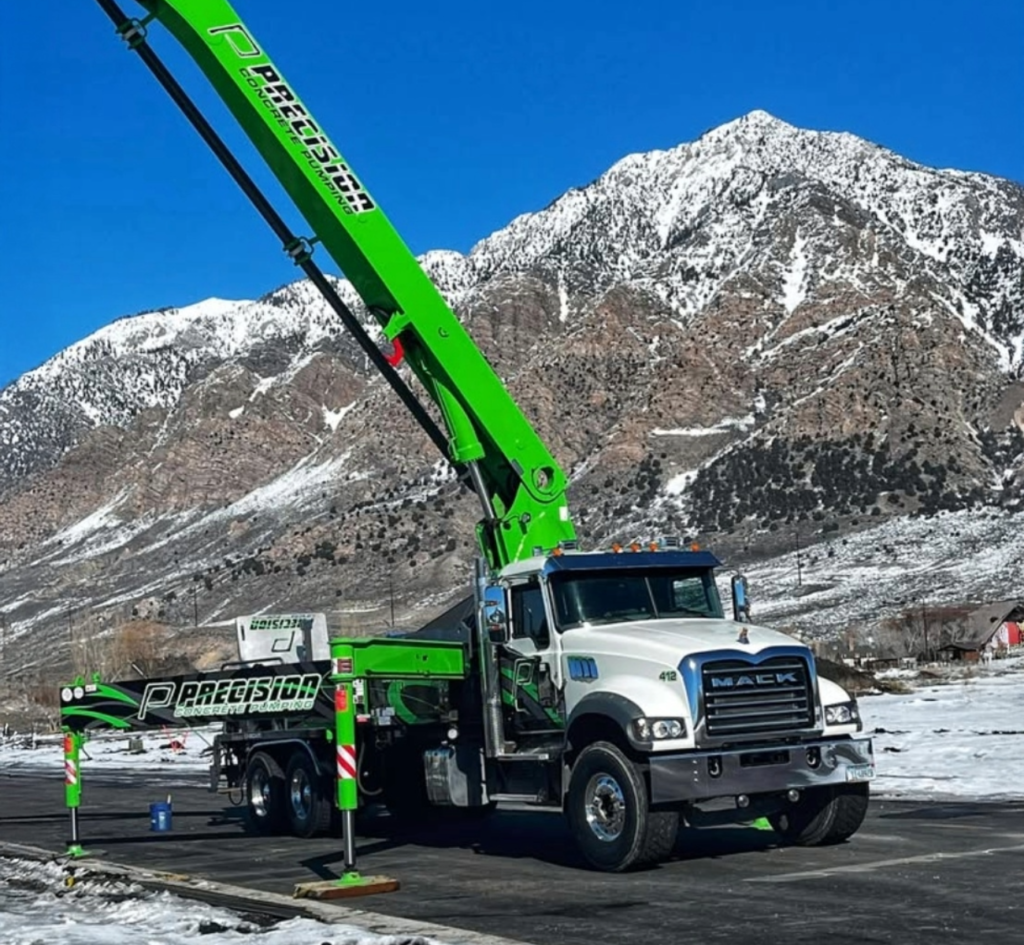
Winter conditions can impact concrete pump performance. Cold temperatures thicken hydraulic fluids, increase wear on components, and raise the risk of unexpected breakdowns. Proper winter maintenance is key to maintaining reliability and productivity.
1. Protect Your Concrete Pump from Freezing Temperatures
Store your concrete pump indoors whenever possible and use protective covers. Preventing exposure to extreme cold protects seals, hoses, and hydraulic components from damage.
2. Allow Proper Warm-Up Before Operation
Cold starts can strain your equipment. Let the hydraulic system warm up gradually before full operation to reduce internal stress and improve performance.
3. Use Cold-Weather Hydraulic Oil
Hydraulic oil thickens in low temperatures. Using winter-grade hydraulic fluid ensures proper viscosity, smooth operation, and protection of critical components.
4. Inspect Wear Parts Frequently
Check pistons, valves, and seals more often during winter. Preventive replacement reduces the risk of costly downtime.
5. Install a New Water Pump
Installing a new water pump before or during winter helps prevent freezing-related failures, improves cooling efficiency, and increases overall system reliability.
Stay Productive All Winter Long
With proper winter maintenance, your concrete pump can operate efficiently even in harsh conditions. Regular inspections and preventive care ensure maximum uptime and long-term performance.
Concord Concrete Pumps supports contractors across the U.S., Canada, and Mexico with reliable equipment built to perform in every season.
👉 Learn more about our concrete pumps or contact our team today to keep your operation moving this winter.